Parenting a toddler is a relentless endurance sport in its own right. Between the constant chasing, the repetitive lifting, and the negotiation over meal times, you are likely exhausted by the end of the day. For many parents, the idea of squeezing in a dedicated gym session feels laughable, if not entirely impossible. The days of uninterrupted hour-long workouts may be on pause, but that does not mean your fitness goals have to be abandoned. In fact, maintaining your physical health is essential for keeping up with the boundless energy of a two-year-old. The secret lies not in finding more time—which is a scarce commodity—but in redefining what exercise looks like in this busy season of life.
Turn playtime into a functional workout
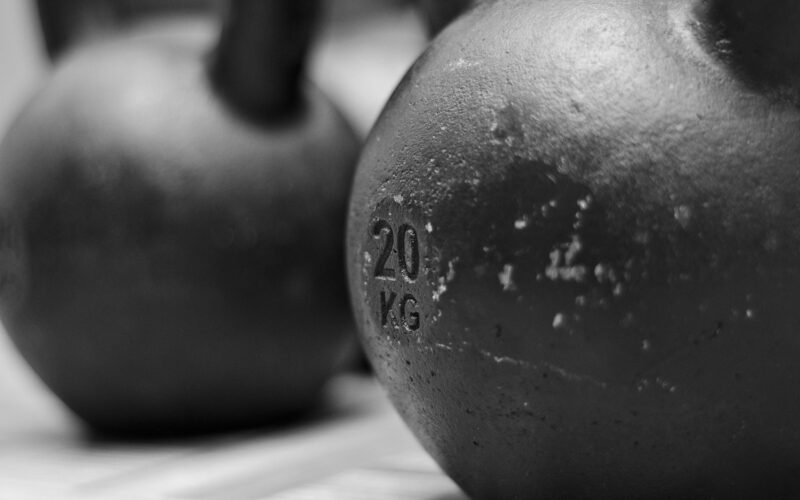
One of the most effective ways to stay fit is to stop viewing exercise and parenting as two separate entities. Your toddler is essentially an increasingly heavy kettlebell that wants to be held. You can utilise this to your advantage. When you pick them up, engage your core and glutes to perform a proper squat rather than bending at the waist. If they enjoy roughhousing, lay on your back and lift them above your chest for floor presses—they get a flying game, and you get a pectoral workout. Always ensure you are lifting with safe form to protect your lower back, as the repetitive nature of parenting can often lead to strain.
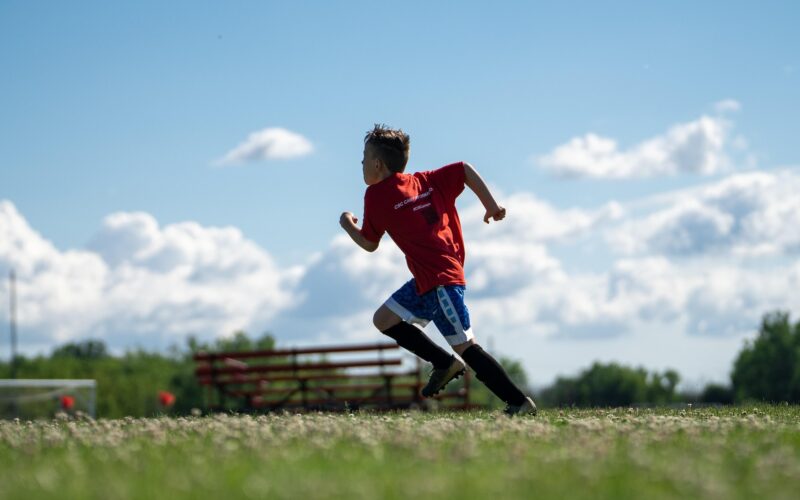
Even a simple game of chase in the garden or park can get your heart rate up significantly. Sprinting short distances to tag your little one mimics interval training. The key here is intentionality. Rather than passively watching them play from a bench, join in with the specific goal of moving your body. It allows you to model an active lifestyle for your child while sneaking in caloric burn that adds up throughout the day.
Optimise the daily pram push
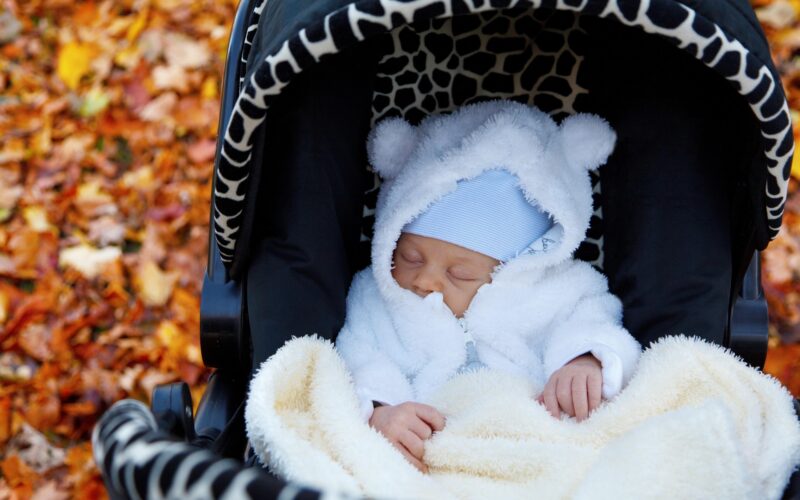
The pram is one of the most underrated pieces of fitness equipment available to new parents. Walking is fantastic, but you can easily dial up the intensity to turn a leisurely stroll into a cardiovascular session. Focus on your posture: keep your shoulders back, engage your abdominal muscles, and walk at a brisk pace that makes holding a conversation slightly difficult. This turns a routine outing into a power walk that benefits your cardiovascular health.
If you want to target your legs and glutes more aggressively, seek out routes with hills. Pushing a toddler and a pram up an incline increases the resistance significantly, acting like a sled push at the gym. You can also incorporate lunges while you walk. Perform walking lunges for short intervals—perhaps between two lampposts—while holding the handle for stability. It might look a little silly to passersby, but the burn in your quads will remind you that it is working.
Embrace the micro-workout philosophy
The "all or nothing" mentality is the enemy of fitness during early parenthood. Waiting for a perfect 60-minute window will likely result in zero minutes of exercise. Instead, embrace the concept of "exercise snacking" or micro-workouts. This involves performing short bursts of activity throughout the day whenever a spare moment arises.
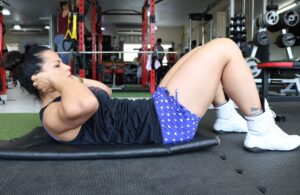
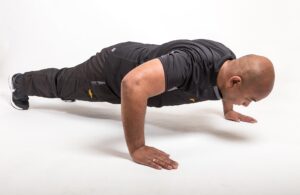
When the kettle is boiling, do a set of counter push-ups. While brushing your teeth, perform calf raises. If you have ten minutes while your toddler is napping or happily occupied with building blocks, try a quick high-intensity interval training (HIIT) session. A simple circuit of jumping jacks, burpees, and bodyweight squats requires no equipment and very little space. These accumulated minutes of activity keep your metabolism firing and maintain muscle tone without requiring a trip to the leisure centre.
Involve your toddler in the routine
Toddlers are natural mimics. If they see you rolling out a yoga mat, they will likely want to join in. Rather than fighting their intrusion, welcome it. There are numerous online videos and apps designed specifically for parent-child yoga or dance workouts. This transforms the barrier to exercise into a shared activity.
While you might not get the zen-like focus of a solo yoga class, you will still benefit from the stretching and strengthening movements. Having your child crawl underneath you during a downward dog or try to balance on one leg beside you turns fitness into a bonding activity. It teaches them from a young age that movement is a normal, enjoyable part of daily life, setting the foundation for healthy habits as they grow.
Making health a family priority
Staying fit with a toddler requires flexibility and a sense of humour. There will be days when the only exercise you manage is carrying a tantruming child out of a supermarket, and that is perfectly fine. The goal is consistency over intensity. By weaving movement into the fabric of your day—through active play, pram power-walks, and kitchen calisthenics—you can maintain your strength and energy levels. Remember, taking care of your physical health is not selfish; it gives you the stamina and resilience to be the active, engaged parent you want to be.