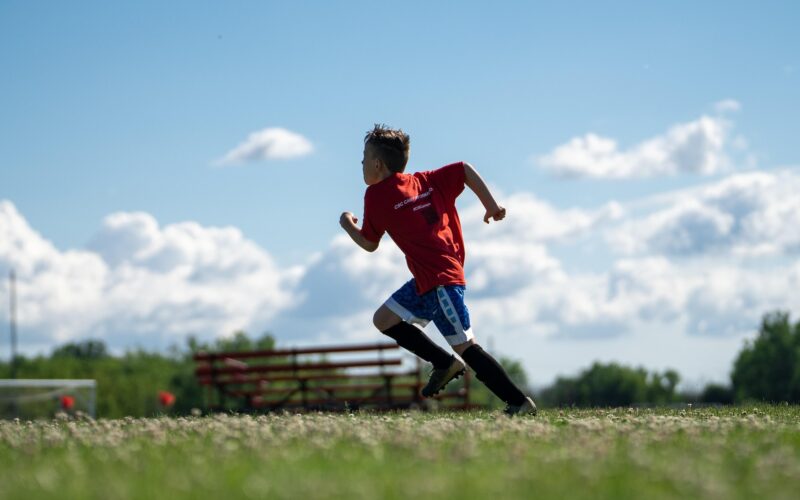
Children are highly observant learners who naturally absorb the habits and routines of the adults around them. When parents engage in regular physical activity, they do far more than improve their own cardiovascular health. They actively shape the developmental trajectory of their offspring, creating an environment where movement is viewed as an enjoyable part of daily life. This foundational exposure has a profound effect on young people, significantly reducing their risk of childhood obesity. Active parents are far more likely to raise active children, establishing a lifelong appreciation for wellness. Research consistently demonstrates that these early interventions prevent metabolic conditions from forming during critical growth phases.
Setting the foundation through behavioural modelling
Behavioural modelling plays a crucial role in how children perceive physical exertion. If a child grows up in a household where exercise is viewed as a burdensome chore, they are likely to internalise those same negative associations. Conversely, when parents prioritise a weekend cycling trip or a yoga session, they normalise physical activity. Children begin to understand that taking care of one's body is a fundamental responsibility rather than a punishment. This shift in perspective relies on demonstration rather than lecturing, making the lessons stick deeply in a developing mind.
The psychological benefits of active households
Beyond physical advantages, parental fitness exerts a massive influence on the emotional wellbeing of children. Regular exercise is a well-documented method for managing stress in adults, which inherently leads to a calmer home environment. When parents manage their own stress effectively through movement, they exhibit greater patience when interacting with their children. Furthermore, families that participate in physical activities together often report stronger interpersonal bonds. A casual game of football in the local park provides a relaxed space for children to share their feelings without the pressure of direct questioning. These shared experiences build trust and foster an open dialogue that benefits the entire family unit over time.
Breaking the cycle of sedentary habits
Modern society presents a significant challenge to health due to the pervasive nature of digital entertainment. Parents who maintain a dedicated fitness routine naturally disrupt this sedentary default, encouraging their children to step away from screens. By substituting extended periods of television watching with outdoor recreation, parents help their children develop better motor skills and coordination. This active disruption is essential for combating the rising tide of posture-related issues currently affecting younger demographics. It teaches children how to find genuine satisfaction in physical play and real-world exploration. Ultimately, this proactive approach helps establish boundaries around technology use while promoting cardiovascular endurance and muscular strength.
Nutritional habits tied to active lifestyles
A commitment to physical fitness usually brings about a holistic improvement in household lifestyle choices, particularly regarding nutrition. Parents who invest energy into their physical health are generally more conscious of the fuel they provide their bodies, leading to more nutritious meal planning. Children growing up in these environments are exposed to a wider variety of whole foods and fresh vegetables. They learn to associate nutritious food with the energy required to perform their favourite activities. This environment minimises the normalisation of ultra-processed foods, setting a healthy dietary standard. Cooking meals from scratch becomes a shared family activity rather than an inconvenience, further reinforcing positive habits.
Fostering long-term wellness for the next generation
The impact of parental fitness on children’s health is a legacy that influences public health outcomes for decades. By choosing to prioritise movement, parents gift their children the blueprint for a resilient and capable body. The decisions made today in local gyms and neighbourhood parks ripple outward, equipping the next generation with the tools they need to thrive. Adults looking to improve the health of their children should begin by examining their own habits, recognising that every step towards their own fitness benefits their entire family.