We have all experienced that moment when a difficult conversation spirals out of control or a frustrating email lands in our inbox, triggering an immediate, visceral reaction. The chest tightens, the jaw clenches, and the urge to snap back becomes almost overwhelming. In these moments of high emotional volatility, the worst thing you can do is engage immediately. Instead, stepping away to engage in a "conflict resolution kettlebell session" might be the most productive strategy available. By channelling that aggressive energy into controlled, heavy movement, we can physically metabolise our stress hormones, allowing us to return to the negotiation table with a clearer head and a steadier hand.
The physiology of stress and movement
To understand why a kettlebell workout is so effective for conflict resolution, we must first look at what happens to the body during a dispute. Conflict triggers the "fight or flight" response, flooding our system with cortisol and adrenaline. This ancient survival mechanism was designed to help us outrun predators, not navigate complex interpersonal nuances or corporate politics. When we sit still and stew in anger, these chemicals remain trapped in our system, often leading to outbursts or passive-aggressive behaviour. Heavy resistance training, particularly the dynamic nature of kettlebell work, provides a physical outlet for this energy. The explosive power required for a swing or a snatch mimics the "fight" response in a safe, controlled environment, effectively burning off the excess adrenaline that clouds our judgment.
Why kettlebells are uniquely suited for releasing tension
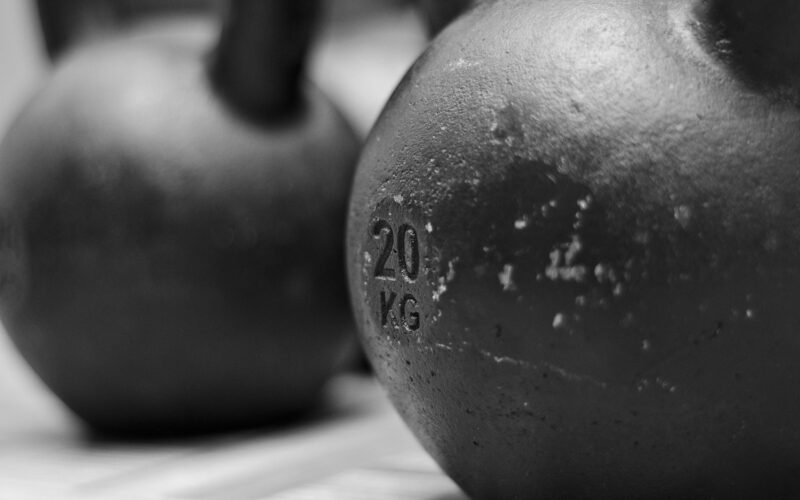
While a long run or a yoga session has its merits, there is something primal about moving a heavy iron weight that is uniquely suited to processing anger. The kettlebell demands total focus; lose your concentration during a heavy clean and press, and you risk injury. This forced mindfulness pulls your brain out of the ruminative loop of the argument. You cannot replay the insult your colleague threw at you while you are trying to stabilise a 24kg weight overhead. Furthermore, the rhythmic, ballistic nature of movements like the kettlebell swing creates a flow state that is deeply meditative yet physically exhausting. It allows you to "blow off steam" in a literal sense, converting emotional frustration into kinetic energy.
Structuring your session for maximum calm
A conflict resolution session should not be about hitting personal bests or testing your one-rep max, as the risk of injury is higher when you are emotionally charged. Instead, focus on volume and rhythmic movement. A simple ladder of swings and goblet squats works wonders. Start with ten swings, followed by one squat. Then do fifteen swings and two squats. The goal is to reach a point of physical fatigue where the body is forced to release endorphins—the brain's natural mood elevators. These neurochemicals counteract the stress hormones, leaving you with a sense of post-workout euphoria often called the "runner's high," but achieved here through iron and grit. By the time you have finished, the physical exhaustion makes it difficult to maintain the high energy required for anger.
Returning to the problem with clarity
Once the heart rate has settled and the sweat has dried, you will likely find that your perspective on the conflict has shifted dramatically. The problem hasn't disappeared, but your physiological reaction to it has changed. Without the haze of adrenaline, you can view the situation objectively. You are no longer reacting from a place of survival but responding from a place of logic. This is the ideal time to draft that email or plan your talking points. You might find that what seemed like a malicious attack was merely a misunderstanding, or that the solution is far simpler than you initially thought. The heavy lifting has cleared the mental debris, creating space for empathy and strategic thinking.
Integrating physical outlets into daily life
Making this a regular practice requires recognizing your own triggers and having a kettlebell accessible when tensions rise. For those working from home, keeping a kettlebell in the office corner can serve as a "break glass in case of emergency" tool. Even five minutes of snatches can reset your nervous system. However, it is crucial to remember that while exercise prepares you for the conversation, it does not replace the conversation itself. The workout is the preparation; the resolution comes from the subsequent communication. Physical exertion is a tool to manage your internal state, ensuring that when you do speak, you do so with the calm authority of someone who has already fought their battle and won.
Combining movement with communication strategies
Ultimately, the goal is to become a master of your own emotional state so that you can navigate disputes effectively. The kettlebell is merely the catalyst for this self-regulation. Once you have cooled down, employ active listening and "I" statements to address the issue without accusing the other party. Because you have physically worked through your aggression, your voice will be steadier, your body language more open, and your patience threshold significantly higher. By combining the physiological reset of heavy exercise with proven communication techniques, you transform conflict from a source of stress into an opportunity for problem-solving.